Conference programme
Pre-programme
WEDNESDAY, 25 NOVEMBER 2026
11.00–15.00 Mapping Flavours and Places (closed event)
15.00 Guided tour of Center Rog (meeting point: Center Rog entrance lobby)
19.00 Opening of the Rog Expo exhibition and announcement of the Rog Creathon results (Big Hall, 1st floor)
Day one
THURSDAY, 26 NOVEMBER 2026
09.00–12.00
Registration (1st floor)
09.30–11.15
Thematic Groups
Applications for thematic groups are now open!
Networking for a Better Future
Studio 15, 3rd floor
Communicating the Impacts of Regenerative Design
Ceramics lab
For People Not for Profit: Imagining Future Information Infrastructures
Meeting Room 3, 3rd floor
Reimagining International Cultural Relations Through Futures Thinking
Meeting Room 2, 2nd floor
BIG HALL, 1ST FLOOR
11.45–12.00 Opening of Rog Forum
12.00–13.00 Panel 1: From Speculative Design to Positive Utopias
13.00–14.00 Lunch (Small Hall, 1st floor)
14.00–15.00 Panel 2: Living Lab: Where Things Grow on Their Own
15.00–15.30 Coffee Break
15.30–16.30 Panel 3: Spatial Planning for Multispecies Cohabitation
ACCOMPANYING PROGRAMME
10.00–11.30 Guided tour of Center Rog (meeting point: Center Rog entrance lobby)
10.30–17.00 Hands-on activity: Community Portrait (Big Hall, 1st floor)
12.00–17.00 Children’s Activity: Material Playroom (Multi-Purpose room 2, 2nd floor)
17.00–18.00 Guided tour of the Rog Expoexhibition (meeting point: Center Rog entrance lobby)
17.00–18.00 Guided tour of Center Rog’s project studios (meeting point: Center Rog entrance lobby)
22.00 Afterhours (Voyager Bar, Trg Osvobodilne fronte 13a, 1000 Ljubljana)
Day two
FRIDAY, 27 NOVEMBER 2026
09.00–13.00 Workshops
Applications for workshops a now open!
Organising Society by the Logic of the Planet: Workshop with the global think tank Dark Matter Labs
Meeting room 3, 3rd floor
More-Than-Human Neighbourhood: An Observation and Sketching Workshop
Meeting room 2, 2nd floor
Planetary Sculpture: an Exploratory Culinary Workshop
Food lab
13.00–14.00 Lunch (Small hall, 1st floor)
BIG HALL, 1ST FLOOR
14.00–15.00 Panel 4: Who Has Power? Ecofeminism in a Time of Polycrisis
15.00–15.30 Coffee Break
15.30–16.30 Panel 5: Cruelty-Free Design
16.30–17.00 Opportunities for Collaboration and Presentation of the Regenerative: Ecologies of Design & Production Project
17.15–18.00 Farewell Drinks and Networking
ACCOMPANYING PROGRAMME
11.00–18.00 POP-UP MARKET: Makers Market (Glass annex, 1st floor)
14.00–17.00 Children’s Activity: Material Playroom (Meeting room 2)
Post-programme
SATURDAY, 28 NOVEMBER 2026
11.00–18.00 POP-UP MARKET: Makers Market (Glass annex, 1st floor)
11.00 Guided tour of Center Rog and the Rog Expo exhibition (meeting point: Center Rog entrance lobby)
The conference will be held in English language.
All changes to the programme can be found here.
To make the Forum accessible to diverse communities, participation is free of charge. However, to avoid food waste resulting from registered participants not showing up, we charge a modest fee for lunch. This helps us plan catering more accurately and ensures that food is not prepared unnecessarily.
Register for Rog forum without lunch | 26 and 27 November
Register for Rog forum with lunch | 26 November (9€)
Register for Rog forum with lunch | 27 November (9€)
Register for Rog forum with both lunches | 26 and 27 November (18€)
12.00–13.00 | From Speculative Design to Positive Utopias
Speculative design reframes design from reactive problem-solving to proactive future-framing, positioning it as a strategic tool for navigating uncertainty. Often associated with imagining alternative futures, its deeper value may lie in understanding the present: exposing current trajectories, the assumptions that sustain them, and the systems that make them difficult to change. At a time when the limits of an economy built on extraction are laid bare by ecological breakdown, geopolitical instability, technological acceleration, and widening inequality, the challenge is not simply to envision better futures, but to make them actionable. This panel asks what conditions are needed to move from speculation to meaningful change: how design can translate possibilities into prototypes, how institutions need to evolve to meet the challenges of the present, how policy and finance can support transition, and ultimately, how power shapes what and whose futures become possible.
Moderator: Tadej Vindiš
Tadej Vindiš is Senior Lecturer in Creative Technologies at the Westminster School of Arts and Academic Fellow at the Creative and Advanced Technologies Lab (CAT Lab), University of Westminster in London. His work combines interdisciplinary research, programme development, R&D and curation across emerging technologies, artificial intelligence, immersive environments and digital cultures, with a focus on how technological acceleration is reshaping human experience, societies, and institutions. Before joining Westminster, he was Lead Producer at body>data>space, a London-based digital design and innovation studio, working on cross-sector projects with organisations including Innovate UK, Nesta, the Wellcome Sanger Institute, and Deutsche Bank. His current work connects research, strategy, and public engagement, exploring how interdisciplinary approaches can help anticipate technological and societal change and shape alternative futures. Tadej Vindiš is a member of Rog Design Days programme board.
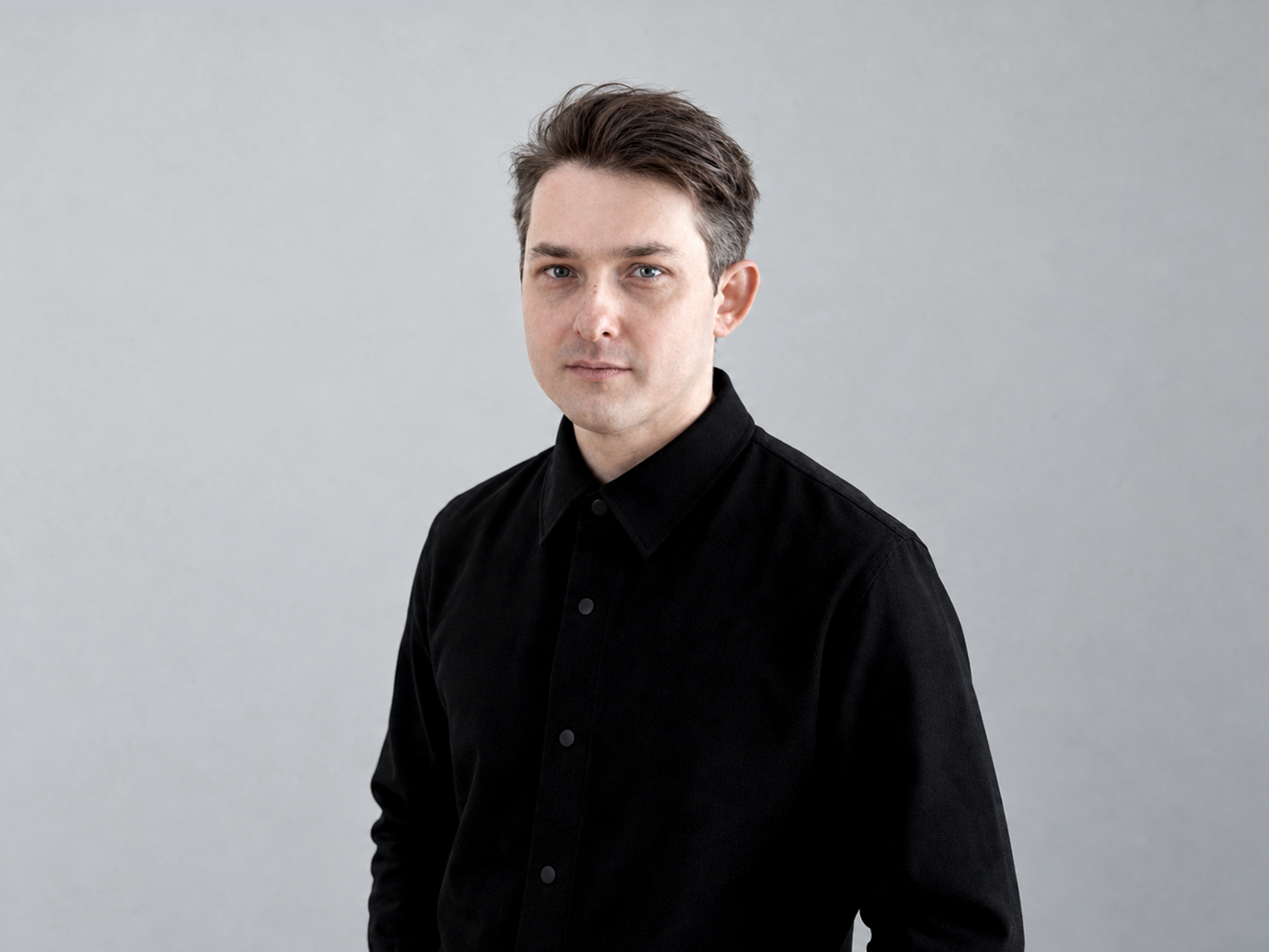
TADEJ VINDIŠ / UK/Slovenia/ Senior lecturer at the Westminster School of Arts and Academic Fellow at CAT Lab, University of Westminster
Panelists
Prateek Shankar is a strategic designer, writer, and educator whose practice explores how our institutions, governance systems, and ways of knowing must evolve to meet today’s challenges. He is currently Steward (Mission & People) at Dark Matter Labs, where he previously co-led the Planetary Civics mission. He is also a founding member of the Planetary Civics Inquiry. Prateek has spent over a decade working in the fields of international development, ethnographic research, public humanities, and design. He has lectured at the Rhode Island School of Design (RISD) and RMIT University, served as Strategic Design Fellow at the Center for Complexity, and is a Young India Fellow.
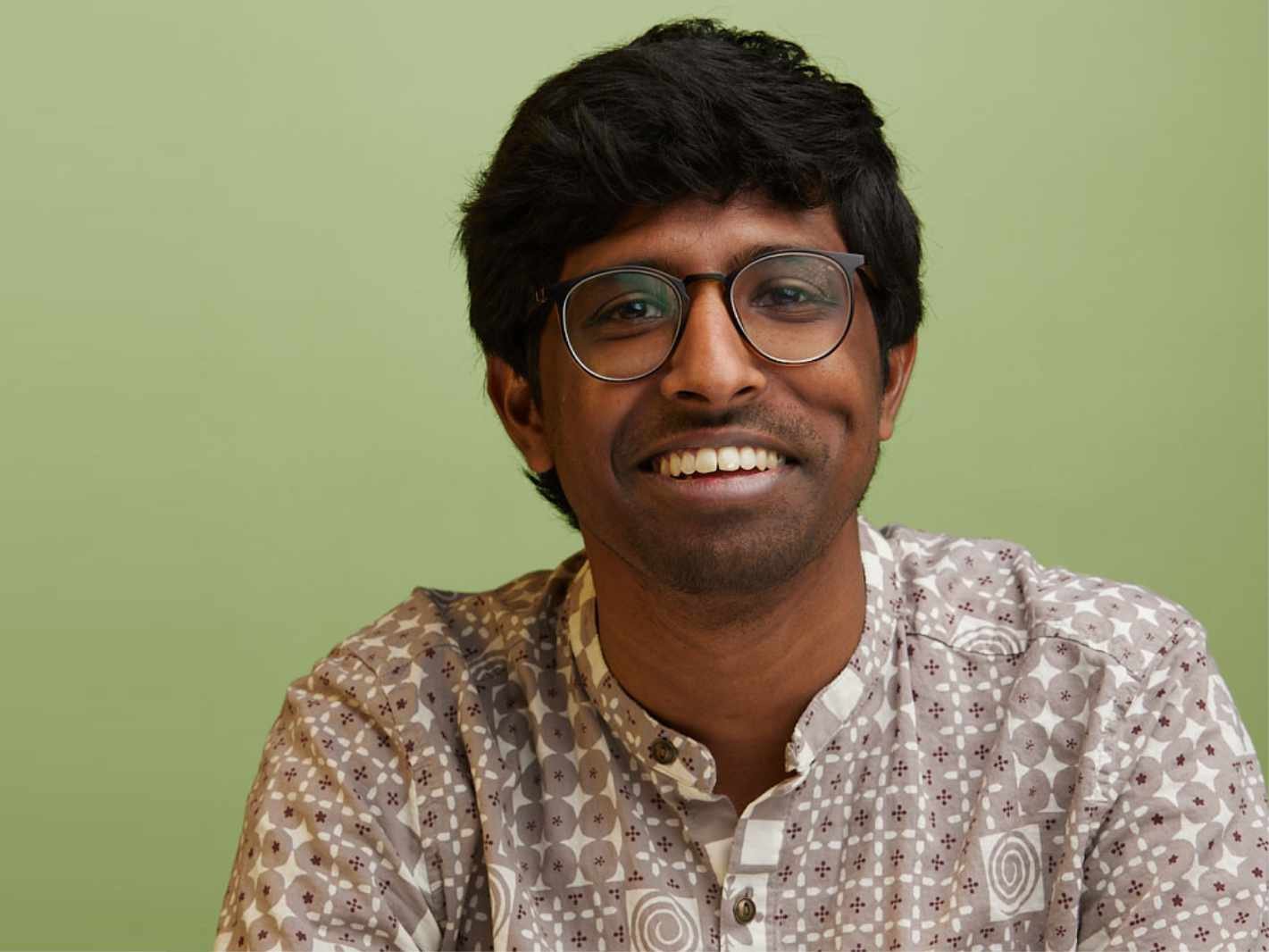
PRATEEK SHANKAR / Germany/India / Steward at Mission & People, Dark Matter Labs
Alessandro Masserdotti is a philosopher and digital technology expert, and CEO of Dotdotdot, founded in 2004. Dotdotdot is a studio that designs interactive environments and digital architectures. Over the last 22 years, the studio has won awards such as iF Gold, Red Dot Gold, and DIA Silver and Gold Awards. Alessandro has been teaching Interaction Design at the Politecnico di Milano since 2011. In 2014, Dotdotdot founded OpenDot, an innovation hub turned ETS Foundation in 2025.
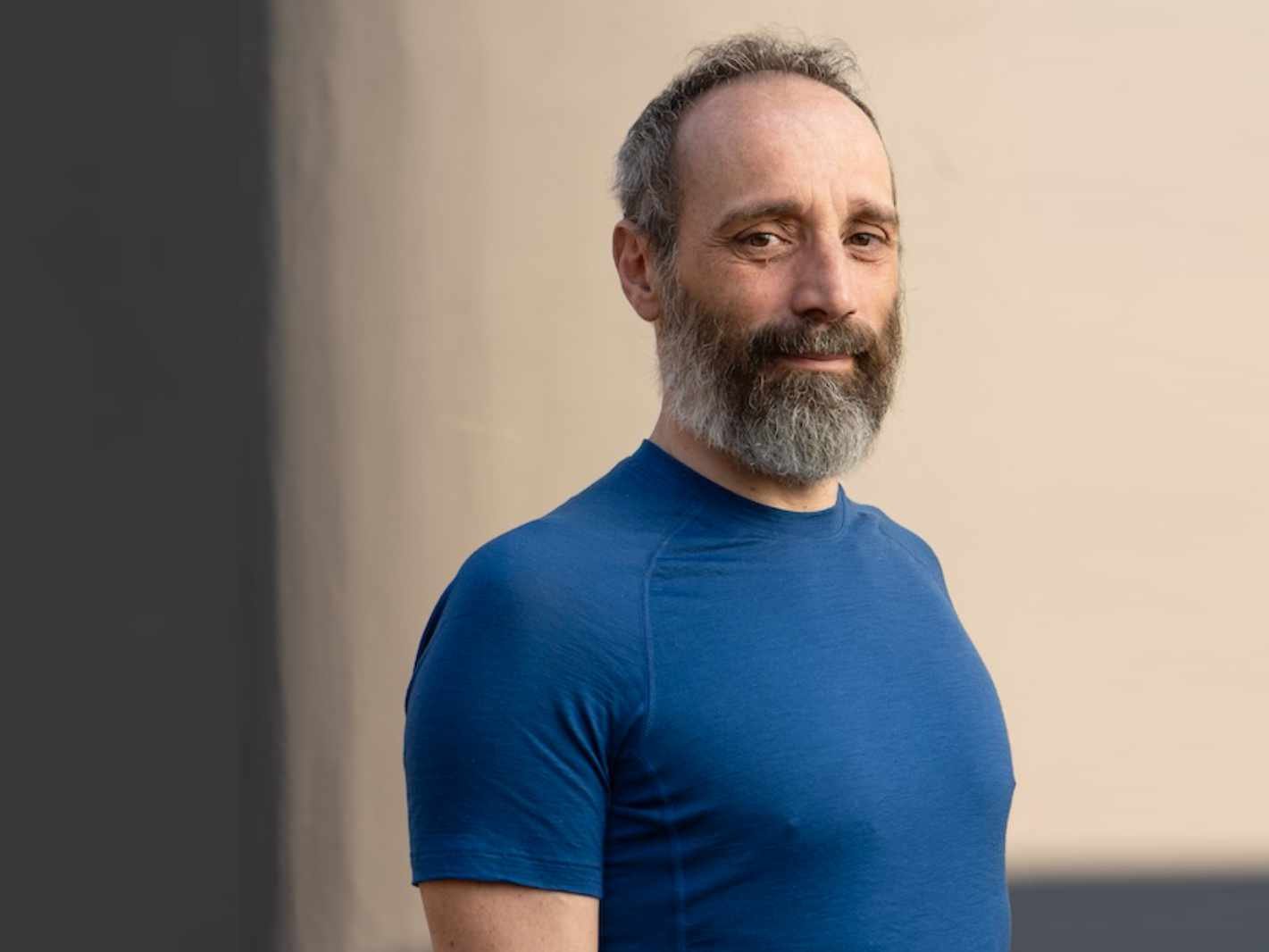
ALESSANDRO MASSERDOTTI / Italy/ CEO of Dotdotdot, vice president of OpenDot Foundation
Pierre Lanfranco supports the development and implementation of Biodiversity Finance Plans across Africa. He works closely with governments, communities, and private actors to implement the BIOFIN methodology, with a focus on strengthening national capacities, facilitating regional knowledge exchange, and designing impactful financing mechanisms for Nature. Pierre has over eight years of experience in biodiversity finance, project cycle management, and resource mobilisation. Before this role, he served as a Global Technical Environmental Finance Analyst with the UNDP-BIOFIN team. He previously worked as an Investment Officer with the French Development Agency in Zimbabwe and as a Development Project Manager for West Africa at a consultancy firm. He holds a master’s degree in Development Economics and a master’s degree in Management and Finance.
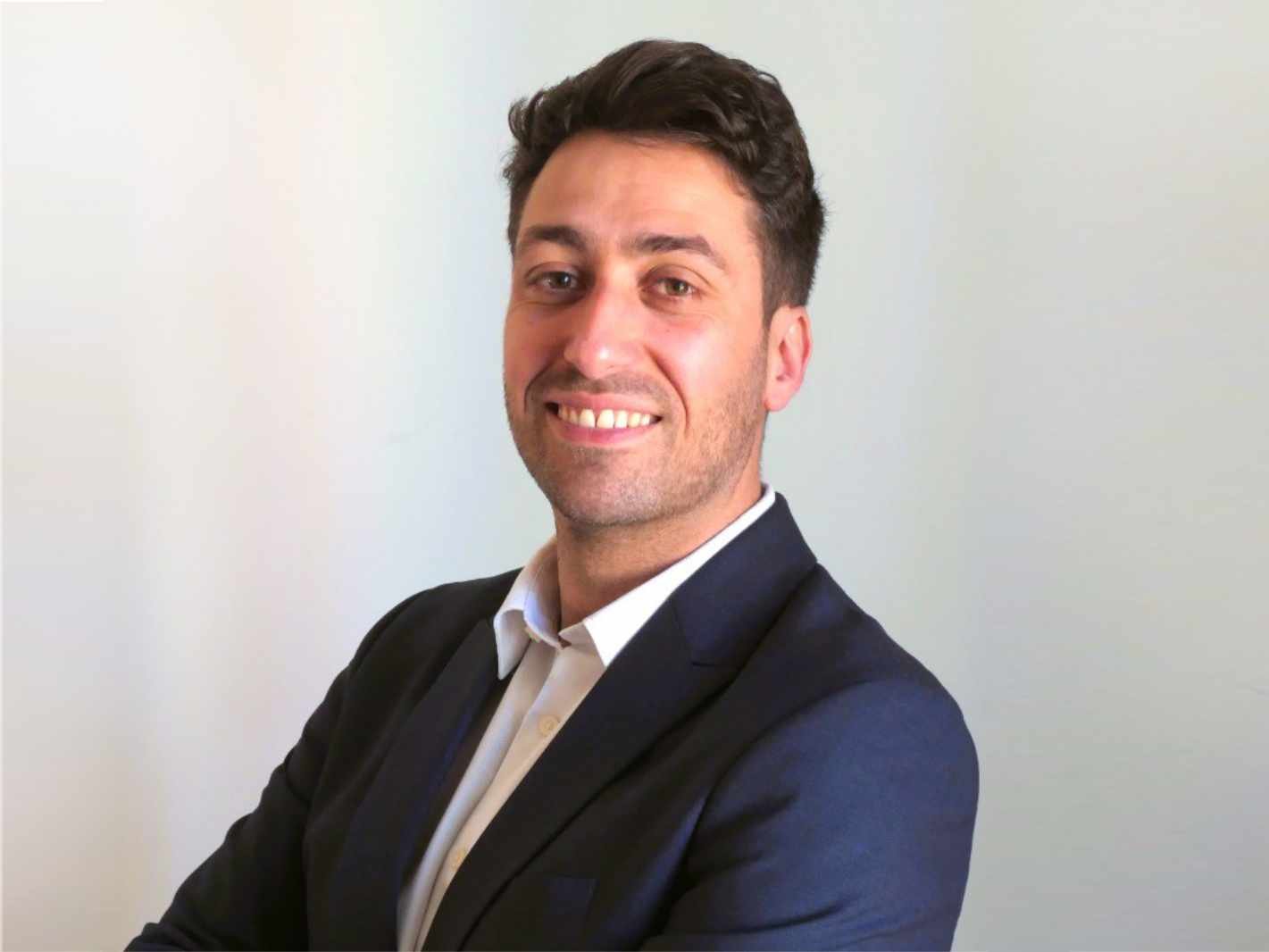
PIERRE LANFRANCO / Italy/France / Environmental Finance Specialist at the United Nations Development Programme (UNDP) – Biodiversity Finance Initiative (BIOFIN)
Malka Older is a writer, aid worker, and sociologist. She is the Executive Director of Global Voices, a community of writers, editors, and translators providing community journalism from all over the world. She is the author of critically acclaimed science-fiction political thriller "Infomocracy" as well as "The Mimicking of Known Successes", a murder mystery set on Jupiter, and co-edited "We Will Rise Again", an anthology of speculative fiction and essays about activism. She has published academic work on disaster studies and predictive fictions.

MALKA OLDER / Netherlands/USA) / Global Voices, Executive Director
14.00–15.00 | Living Lab: Where Things Grow On Their Own
What happens when design moves from trying to control nature towards learning how to work with it? The panel brings together four different practices exploring materials, living systems, and ecological processes. From biomaterials, natural dyes and fibres to microorganisms, agricultural cycles, and regenerative approaches, they look at ways of making where nature is not simply a resource, but has its own agency, rhythms, and behaviours. This changes the role of the designer. Instead of deciding everything in advance, we may need to observe, adapt, negotiate, and sometimes let materials and living processes take the lead. This also raises a more fundamental question: if materials and living systems have their own agency, what does it mean to design with them? What do we gain, and what do we have to give up, when we allow nature to become an active participant in the making process?
Moderator: Rafael Calado
Rafael Calado is a Portuguese architect and innovation practitioner exploring what happens when architecture and design start thinking with biology. He is the founder and coordinator of BioLab Lisboa, Portugal’s first Citizen Lab, where scientists, designers, artists, makers, and communities work together around biotechnology, biomaterials, and new forms of making. His work spans digital fabrication, circular economy, repair, and citizen-led innovation, with collaborations across Europe and beyond. At the BioLab, he is interested not only in what we can make with living systems, but in how working with them might change the way we design, build, and relate to the world around us. Rafael Calado is a member of Rog Design Days programme board.
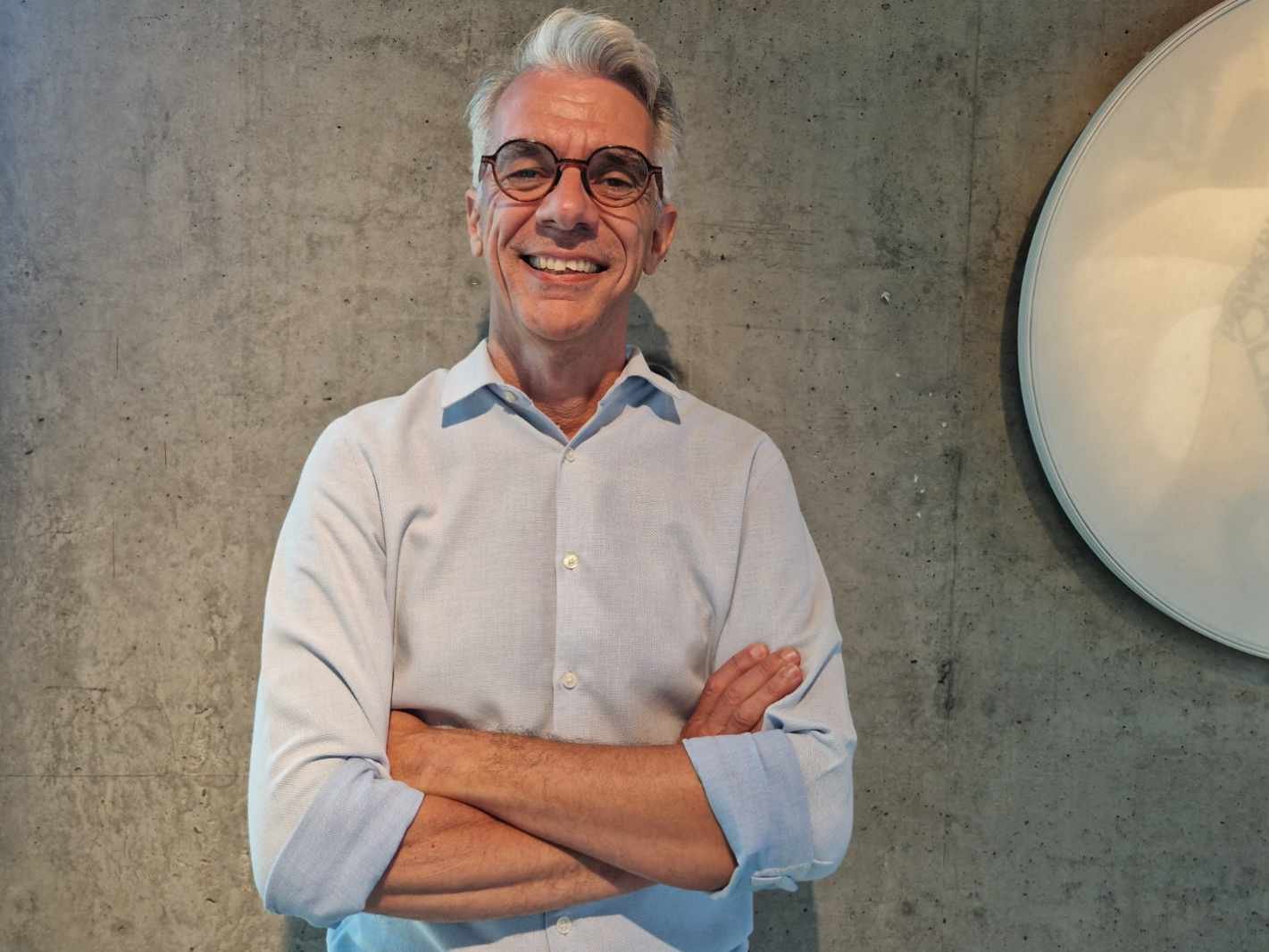
RAFAEL CALADO, BioLab Lisboa / Portugal/ Architect, Head of BioLab Lisbon, co-founder of Repair Café Lisboa
Panelists
Barbara Rakovská is a Prague-based designer and material researcher working at the intersection of fashion, art, and sustainable material innovation. Her practice explores how design can engage with living systems through biomaterials, natural dyes, local fibres, and emerging technologies. She holds an MA in Design from the Czech Technical University in Prague and a diploma from Fabricademy in Barcelona. Her research has been developed through international residencies, including Bilbao, where she explored natural dyes and local wool, and Center Rog in Ljubljana, where she is developing a wearable ecosystem co-created with roots, seeds, plants, and microorganisms. Her work has been presented internationally through exhibitions, residencies, and workshops.

BARBARA RAKOVSKÁ /Czech Republic/ Designer and material researcher, resident designer at Center Rog
Davide Onestini is a systemic designer, creative director, and co-founder of By the End of May, a Lisbon-based research and design practice exploring how design can contribute to locally productive, regenerative, and more-than-human futures. His work sits at the intersection of digital fabrication, biomaterials, material research, and speculative spatial design, questioning extractive production models and human-centred assumptions in contemporary design. Through projects ranging from urban material experimentation to living ecosystem prototypes, his practice explores alternative relationships between design, ecology, and production. Davide is also co-founder and curator of Gentler Futures, a festival that explores the role of design in shaping more ecologically conscious futures.
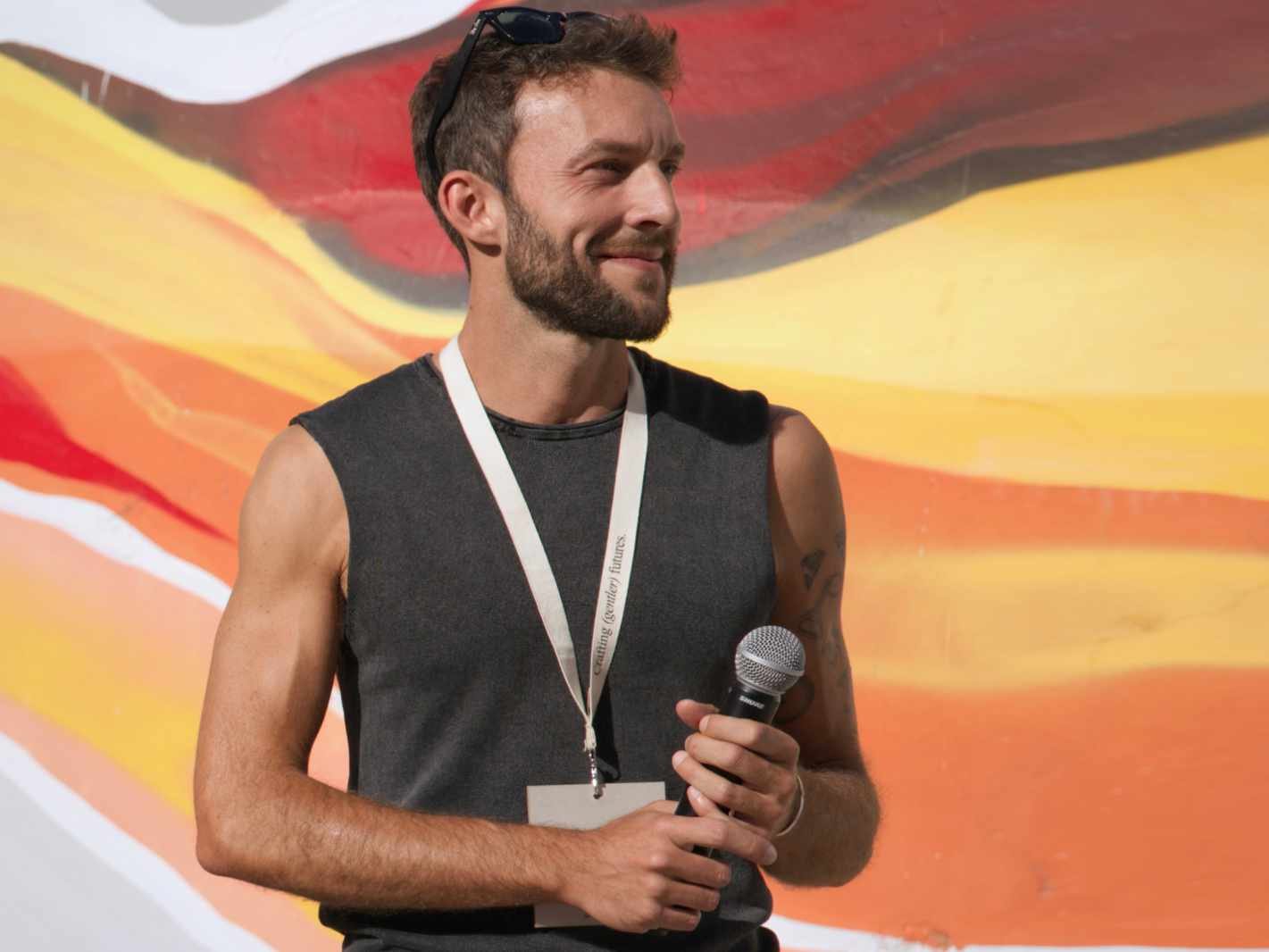
DAVIDE ONESTINI / Italy/Portugal / Co-founder and Creative Director of By the End of May
Julija Karas is an industrial designer and researcher exploring alternative materials developed according to principles of circularity and sustainability. Her interdisciplinary practice is characterised by experimental approaches to design at the intersection of natural sciences and technology. Through the creative reinterpretation of natural matter, her work bridges the gap between anthropogenic and biological matter, while direct interaction with materials stimulates curiosity and redirects attention towards the surprising complexity of the physical world around us. Julija Karas holds a master’s degree in Industrial Design from the Academy of Fine Arts and Design at the University of Ljubljana (ALUO) and completed the Fabricademy programme at the Institute for Advanced Architecture of Catalonia (IAAC) in Barcelona. She currently works as a mentor at the Green Lab at Center Rog and as a doctoral researcher at the National Building and Civil Engineering Institute of Slovenia (ZAG).

JULIJA KARAS / Slovenia/ Industrial designer & PhD Researcher
Silvia Brandi is an architect, cultural manager and co-founder of FarmLab, a rural creative hub in Southeast Styria, Austria. Her work explores how traditional crafts, local materials and contemporary technologies can contribute to the regeneration of rural areas. At FarmLab, she develops place-based projects and residencies centred on wool, natural fibres and dyes, clay and other resources connected to the surrounding landscape and agricultural cycles. Drawing on her previous experience at Institute for Advanced Architecture of Catalonia (IAAC) and in European cultural and educational projects, she focuses on building connections between material research, communities, and international networks, while developing more circular and locally rooted ways of making.
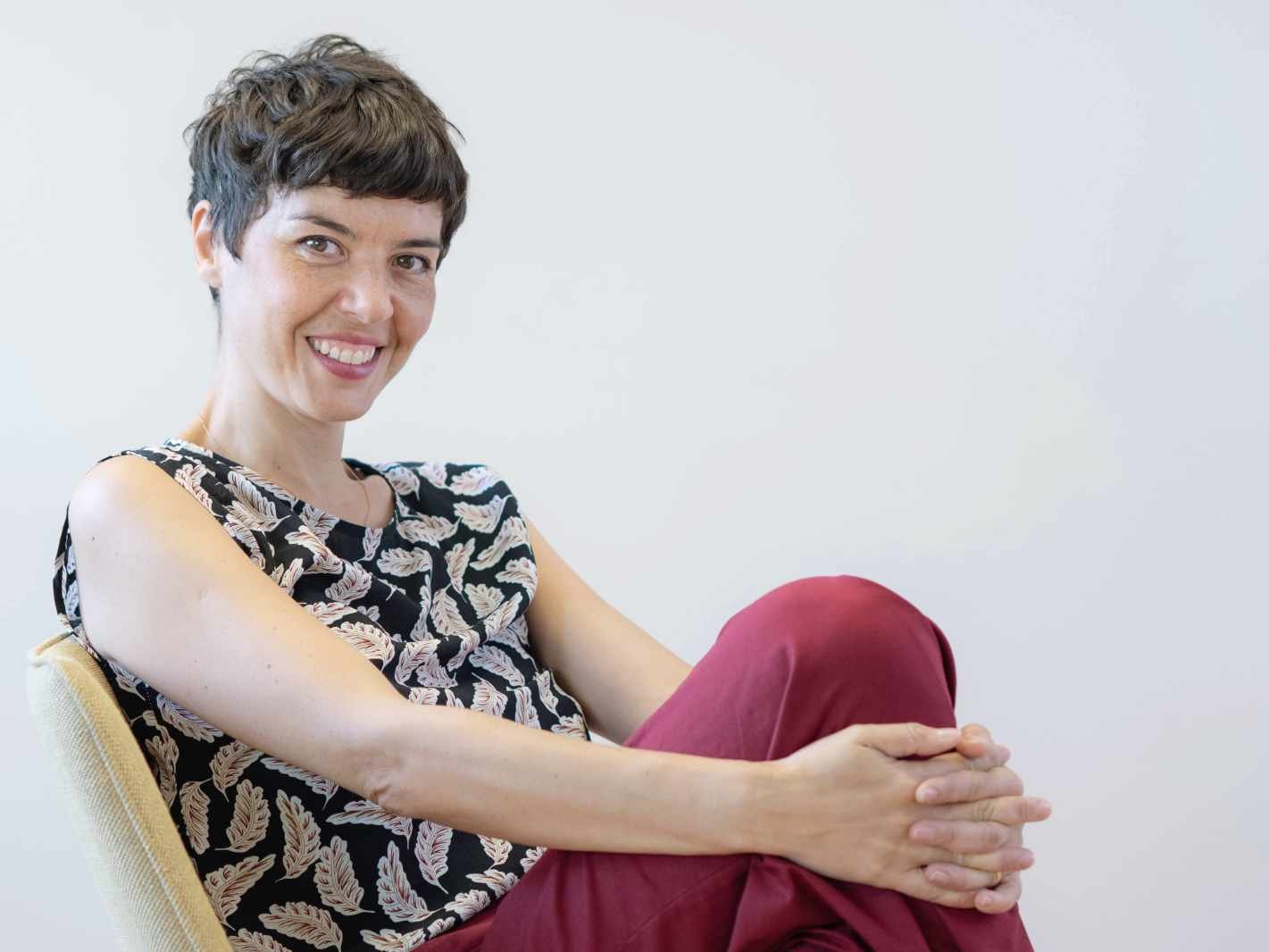
SILVIA BRANDI /Austria/Italy / Director and co-founder of FarmLab
15.30–16.30 | Spatial Planning for Multispecies Cohabitation
Cities have long been shaped around human needs, often overlooking the many species that also inhabit them. Interspecies urbanism reframes the city as a shared habitat and explores how architecture and urban planning can move toward more inclusive, life-centered approaches.
Moderator: Živa Kavka Gobbo
Živa Kavka Gobbo is a cultural anthropologist and president of Focus, an environmental organisation. Her work connects sustainable development, global learning, environmental justice, human rights, and community engagement. She researches and educates on global responsibility and the impacts of the economic system of the Global North on the environment, climate change, and human rights worldwide. She collaborates on international projects with non-governmental, research, and educational organisations. Her areas of interest include sustainable systems, degrowth, food self-sufficiency, environmental sustainability, critiques of anthropocentrism, participatory methodologies, and the development of community-based projects.
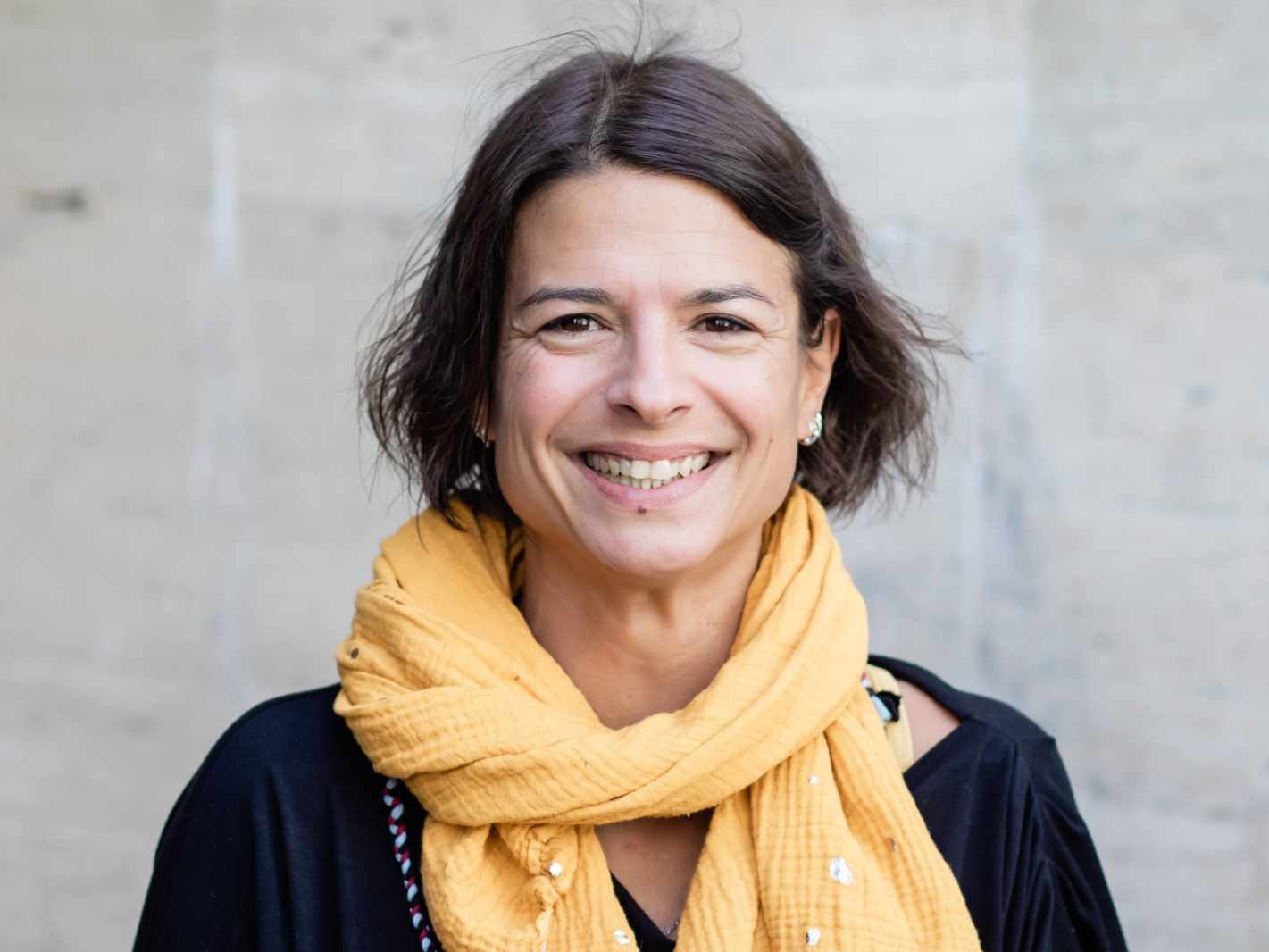
ŽIVA KAVKA GOBBO / Slovenia/ President of Focus Association for Sustainable Development
Panelists
Guillian Graves works with companies (startups, brands, and major industrial groups) and research centres to develop tangible innovations designed to meet future challenges; he teaches at leading schools, training the next generation of professionals to create impactful solutions through the intersection of science and design; and he raises public awareness by presenting his unique approach to innovation at conferences. His preferred innovation process is biomimicry—an approach that draws inspiration from the natural world, leveraging solutions and inventions refined by 3.8 billion years of evolution.
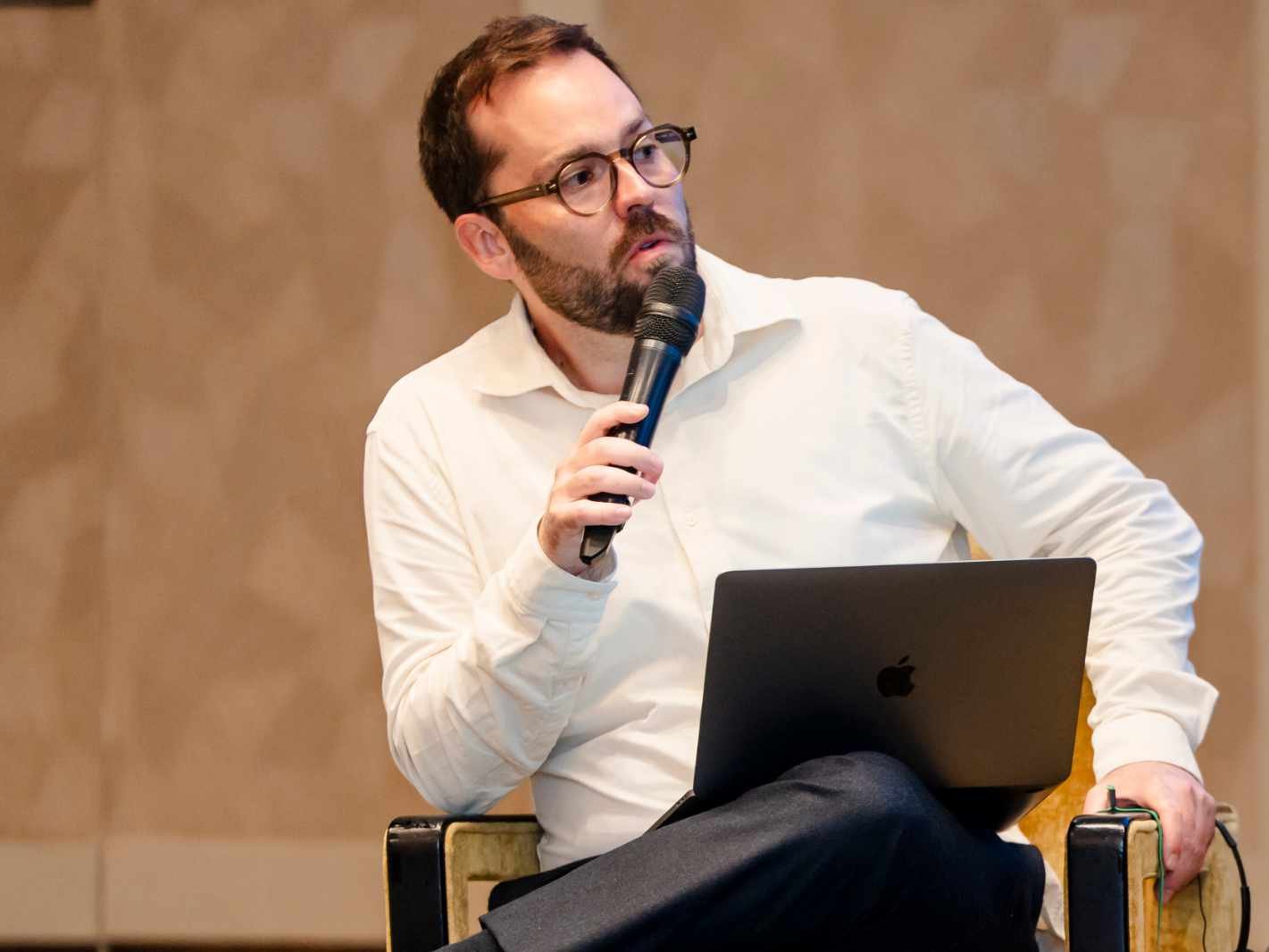
GUILLIAN GRAVES / France / CEO of the Big Bang Project agency | Head of the Nature-Inspired Design Master’s programme and the Phusis Lab at ENSCI-Les Ateliers, resident designer at Center Rog
Maja Simoneti is a landscape architect and urban planner at the Institute for Spatial Policies (IPoP). Her work focuses on sustainable spatial development; the planning and management of public space, green spaces, and urban trees; as well as the promotion of walking and the planning of walkable environments. She advocates cross-sectoral cooperation, community-based approaches, and the involvement of residents in working processes and decision-making concerning spatial solutions and development. She sees nature conservation and nature-based solutions as an important foundation for addressing climate change and future challenges such as public health, resilience, and the safety of urban environments.
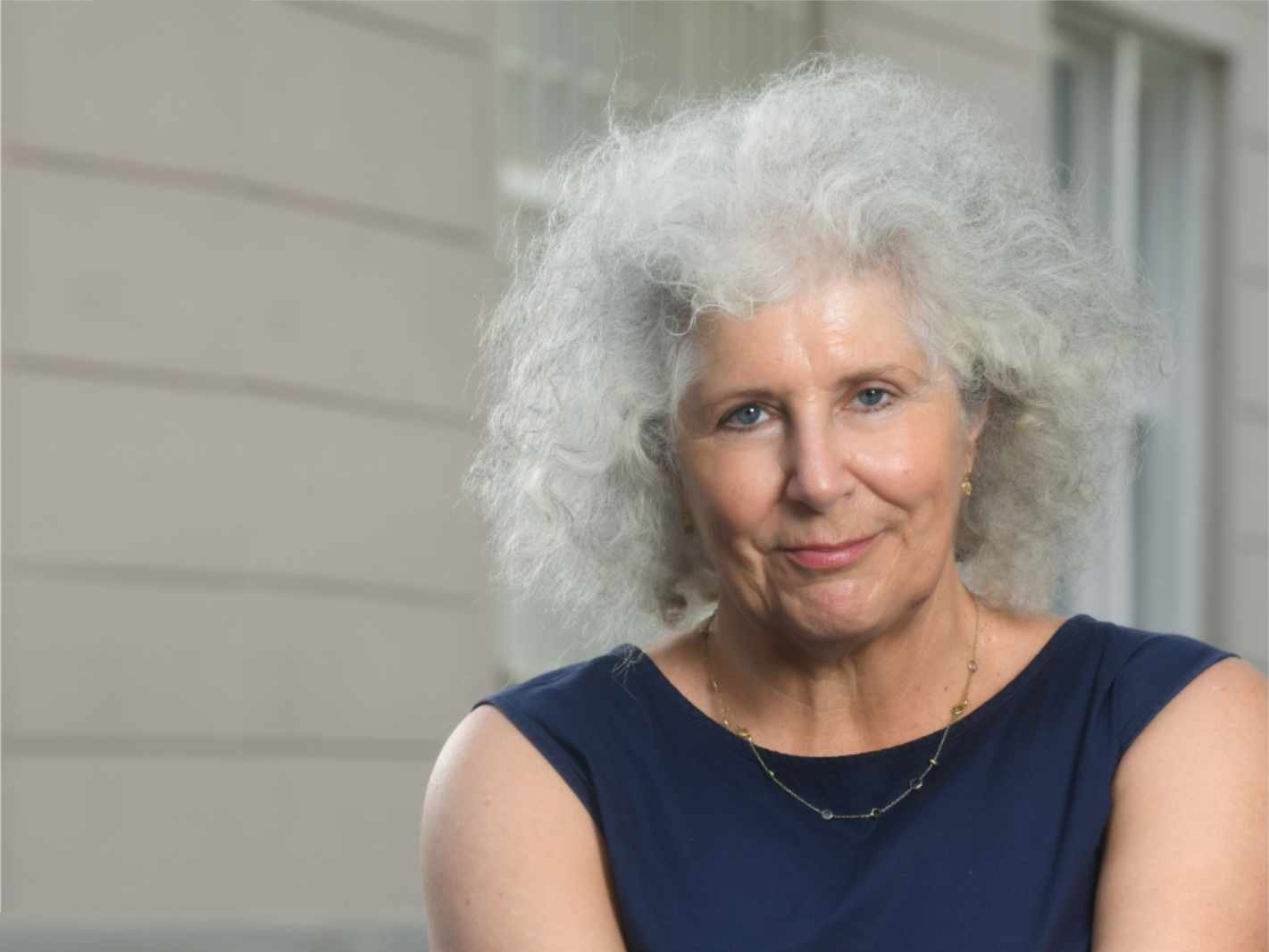
MAJA SIMONETI / Slovenia / Project Manager and Head of Research Group, IPoP – Institute for Spatial Policies, Ljubljana / PhD, landscape architect
Miha Krofel is a lecturer in animal ecology at the Department of Biology at the Biotechnical Faculty, University of Ljubljana. As a visiting researcher and lecturer, he also works with several institutes and universities in Germany, the United Kingdom, and Portugal. His research focuses primarily on the ecology and conservation biology of large carnivores in Europe, Africa, and Asia. He is interested in the roles that different animals play in ecosystems and how understanding their behaviour can contribute to enabling coexistence between wildlife and humans. He is the author of more than 150 scientific articles and 18 books and book chapters.
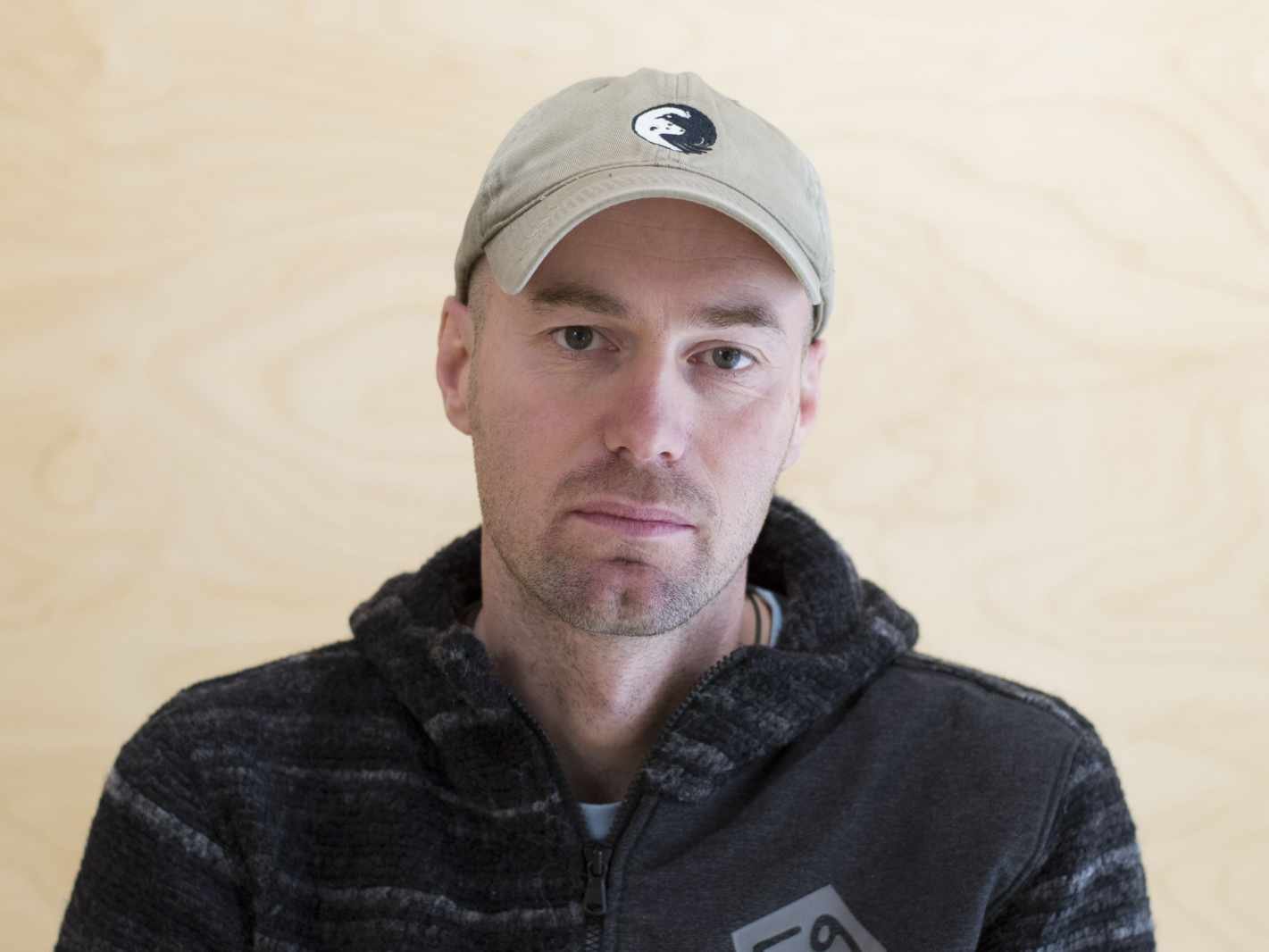
MIHA KROFEL / Slovenia / Associate Professor, Department of Biology, Biotechnical Faculty, University of Ljubljana International Union for Conservation of Nature (IUCN), Species Survival Commission
Doenja Oogjes is an assistant professor in Industrial Design at Eindhoven University of Technology (TU/e) and a researcher in the field of human-computer interaction. Her work starts from the premise that technology is reshaping the world around us in ways we rarely stop to examine, especially when that world extends beyond the human. Her research moves through material dialogues with city trees, the company of bees, backyards as liminal spaces, and listening practices for waters running through her own neighbourhood, workshopping more-than-human practices across these sites. Grounded in feminist posthumanism, her work moves between theory, method, and design research practice, and is currently taking shape in MoTH Studio, a space she is co-establishing on campus for biomonitoring and situated research and teaching.
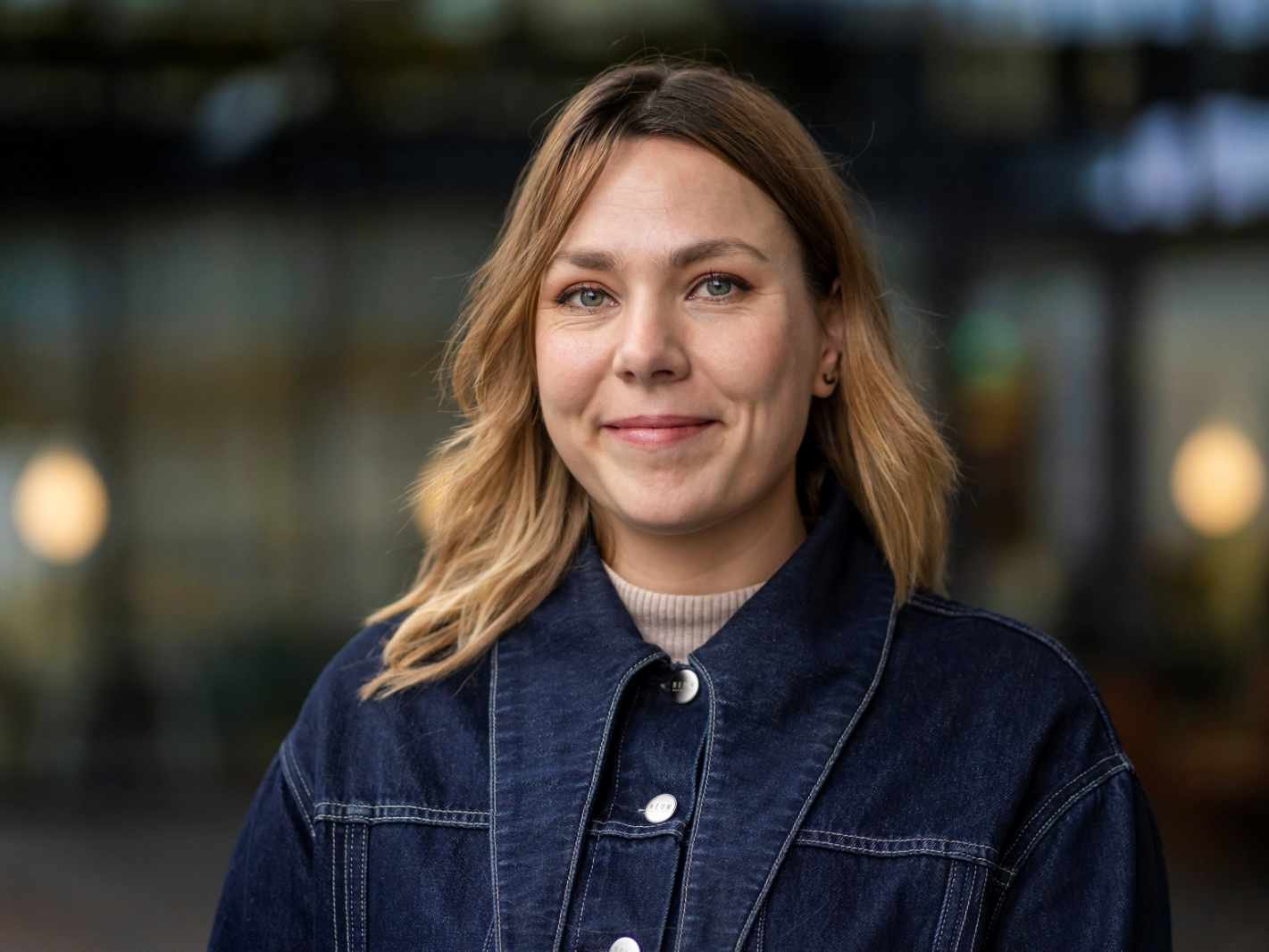
DOENJA OOGJES / Netherlands / Assistant Professor in Industrial Design at Eindhoven University of Technology (TU/e)
14.00–15.00 | Who Has Power? Ecofeminism in a Time of Polycrisis
In a time of all-encompassing polycrisis, we repeatedly return to the same question: who has power over production and reproduction. If we put on an ecofeminist lens, we cannot overlook the invisible and unpaid care work performed by women, nor can we overlook the deliberate subordination, devaluation, and unlimited exploitation of nature, which follows the same patriarchal logic. This is not a process that happens by accident; it is a deliberate act of subordination for the purpose of exploitation. The panel will open a space between the analysis of the problem and practice. Can we change our habits and our relationship with the living, without addressing its underlying power relations? And how can we challenge them in practice through resistance, knowledge, and collective creation?
Moderator: Lena Penšek
Lena Penšek works across the fields of degrowth, feminism, and climate and social justice. She holds a master’s degree in Political Ecology, Degrowth and Environmental Justice from the Autonomous University of Barcelona. Through her work in campaigns, policy development, and research, she seeks to translate complex political issues into accessible stories and build alliances between communities, activism, and policymaking.

LENA PENŠEK / Slovenia / Independent expert, researcher, activist
Panelists
Lars Petrova Taylor works at the intersection of people, non-humans, spaces, and ideas, helping to turn good intentions into collective action. Their practice moves between maker culture, community activation, and systems thinking, using hands-on creation as a way to connect people and bring projects to life. They operate on both local and international levels, from coordinating Fab City networks to designing and leading creative learning programmes and makerspaces across Europe. Their more than decade-long collaboration with underrepresented communities in the earlier stages of their career continues to strongly shape their approach to leadership, equality, facilitation, and collaboration today.
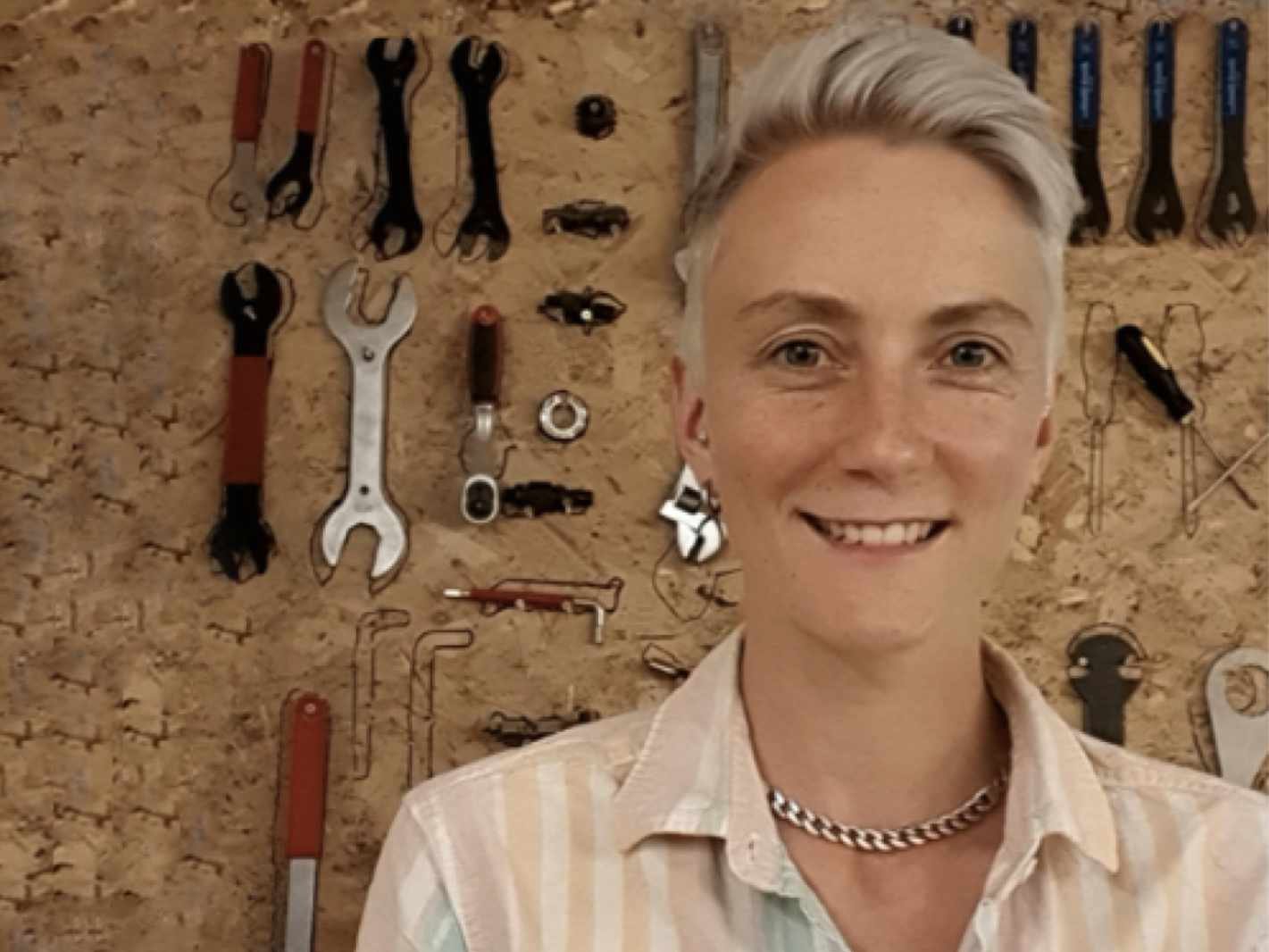
LARS PETROVA TAYLOR / Spain/Great Britain / Maker, community activator, Network Lead at Fab City
Denisa Kasa is an environmental activist and researcher whose work focuses on environmental justice, biodiversity conservation, climate action, and community advocacy. Previously part of the PPNEA team in Albania, she contributed to the “Hands Off Vjosa-Narta” campaign and the “Flamingo Revolution,” advocating for the protection of critical ecosystems and biodiversity. Her current work explores water pollution and privatisation, as well as broader questions of environmental governance and public participation. In recognition of her environmental activism, she was named Green Activist of the Year by the GreenAL Network and won the Distinguished Alumni Awards by Rotterdam School of Management in 2025. Her work combines research, advocacy, and public engagement to advance sustainable and equitable environmental protection.
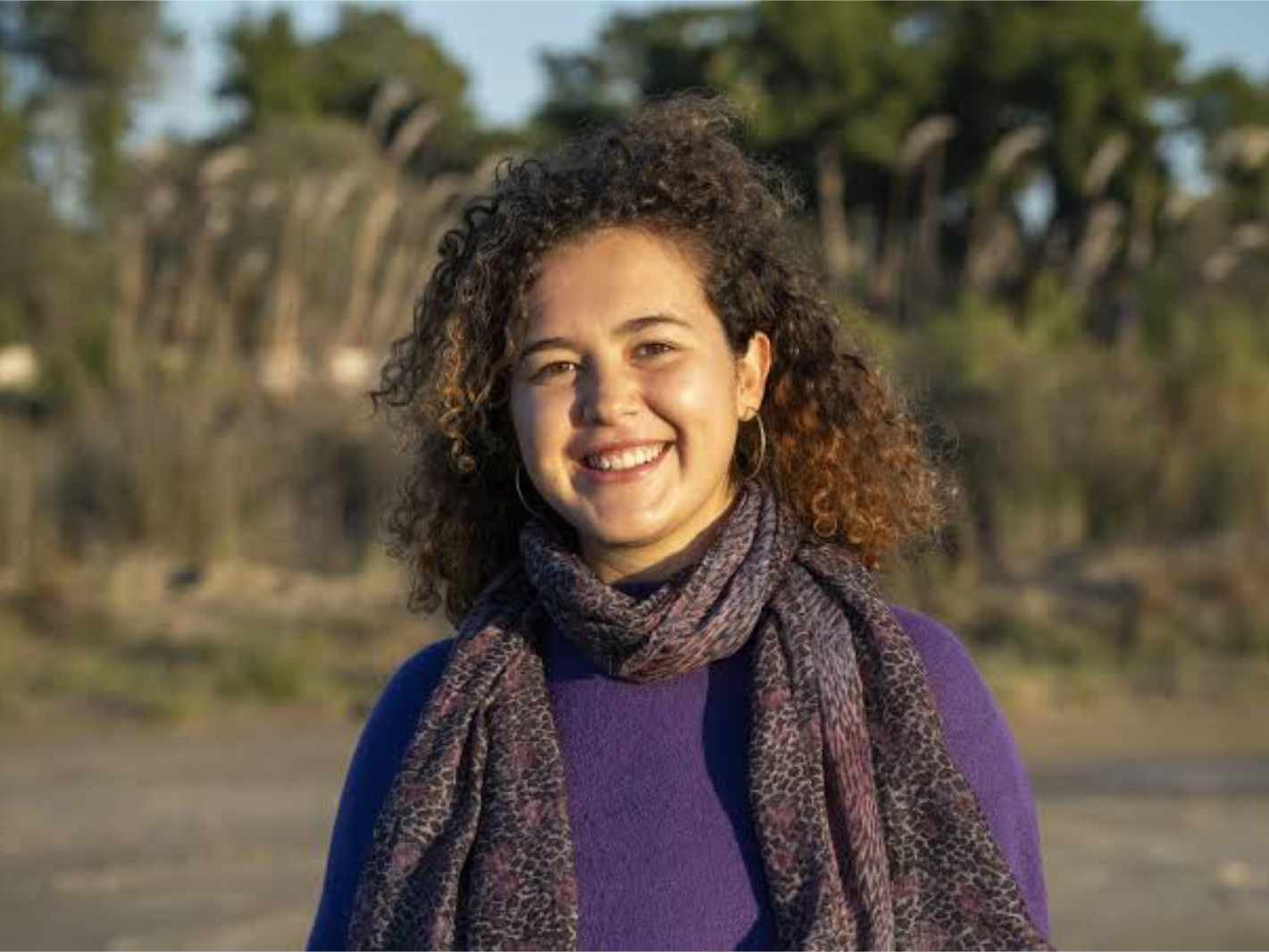
DENISA KASA / France/Albania / Activist & CIFE - Centre International de Formation Européenne
Karine Sar is the Director for Africa at Barefoot College International (BCI). In this capacity, she directs BCI operations in Africa and puts her extensive 25-year experience, including five as a non-profit executive director and fifteen as a manager at the United Nations Headquarters in New York, at the service of vulnerable African women by developing and implementing innovative, practical and sustainable, clean energy-driven programmes that unlock potential, empower and unleash agency, entrepreneurship and success in them. Karine is a passionate and effective advocate for the inclusion and empowerment of underserved African women. She claims this work as her calling, which is why her engagement is deep and personal.
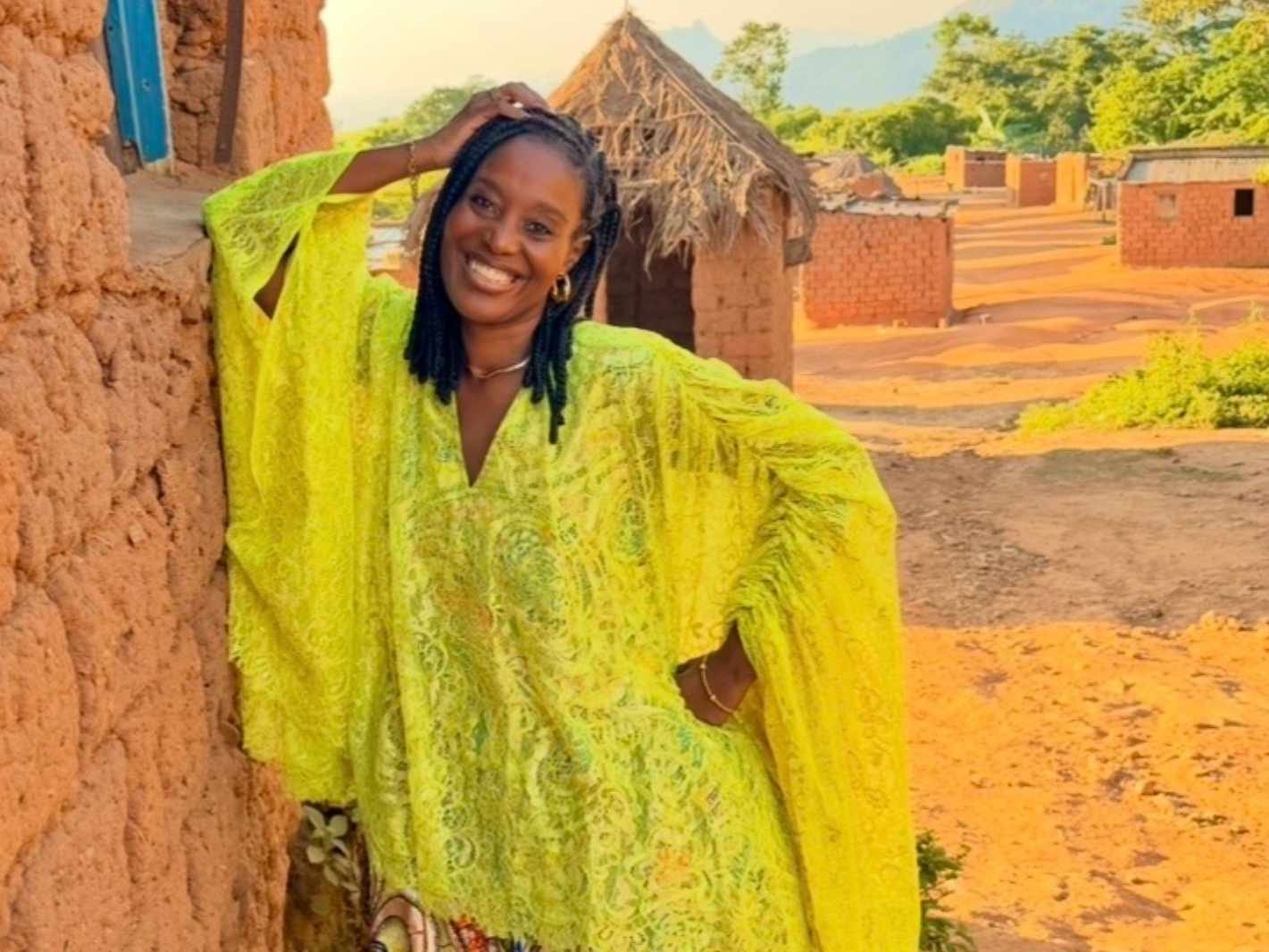
KARINE SAR / United Kingdom, Senegal / Director for Africa Barefoot College International (BCI)
Noemi Grütter is a feminist activist, artist, music producer and DJ, and Head of Advocacy and Partnerships at the Global Alliance for Green and Gender Action (GAGGA). Working at the intersection of gender justice, climate action, and feminist movements, she champions locally led solutions and the leadership of women, girls and gender-diverse people in addressing the climate crisis. Through GAGGA, she connects grassroots movements, funders, and policymakers to advance gender-just climate finance and systemic change. Her work draws on feminist advocacy, research, and creative practice to challenge intersecting systems of oppression and explore the transformative potential of ecofeminism.
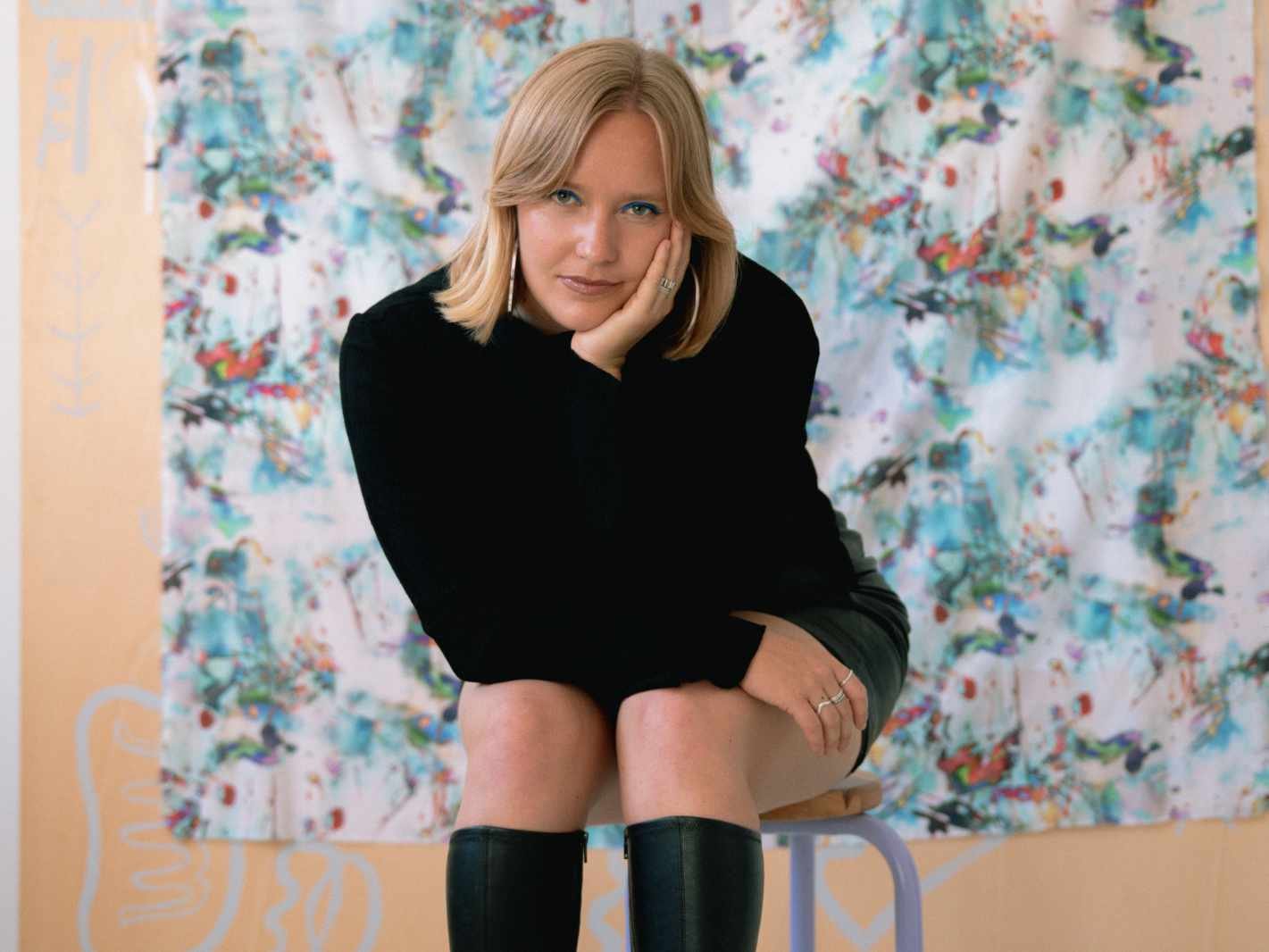
Noemi Grütter / Switzerland/ Head of Advocacy and Partnerships, Global Alliance for Green and Gender Action
15.30–16.30 | Cruelty-Free Design
Throughout history, as well as in the present day, design has often been a tool for exploiting nature, particularly animals, due to the deeply rooted assumption of their inferiority to humans. At a time of the sixth mass extinction of species, and as we extract natural resources faster than they are able to regenerate, bringing us ever closer to tipping points beyond which life for human civilisation will become extremely difficult, calls for a shift from an extractivist economic model towards alternative, solidarity-based economies are gaining prominence. These alternatives also involve changing our relationship with nature and non-human animals. During the panel, the speakers will present pathways towards a more compassionate approach to design.
Moderator: Maja Prijatelj Videmšek
Maja Prijatelj Videmšek is a freelance journalist and a long-standing contributor to the Slovenian newspaper Delo. Her articles have also been published in numerous other media outlets, including The Boston Globe, The Christian Science Monitor, National Geographic China, The Hindu Times, Das Magazin, and Haaretz. In 2024, she received the Prometej znanosti award for excellence in science communication, presented by the Slovenian Science Foundation, in recognition of her journalistic work. She is the co-author of the book The Last Two: The Battle to Save the Northern White Rhinos, published in Slovenia by Umco (2022) and in English by Rowman & Littlefield (2023).
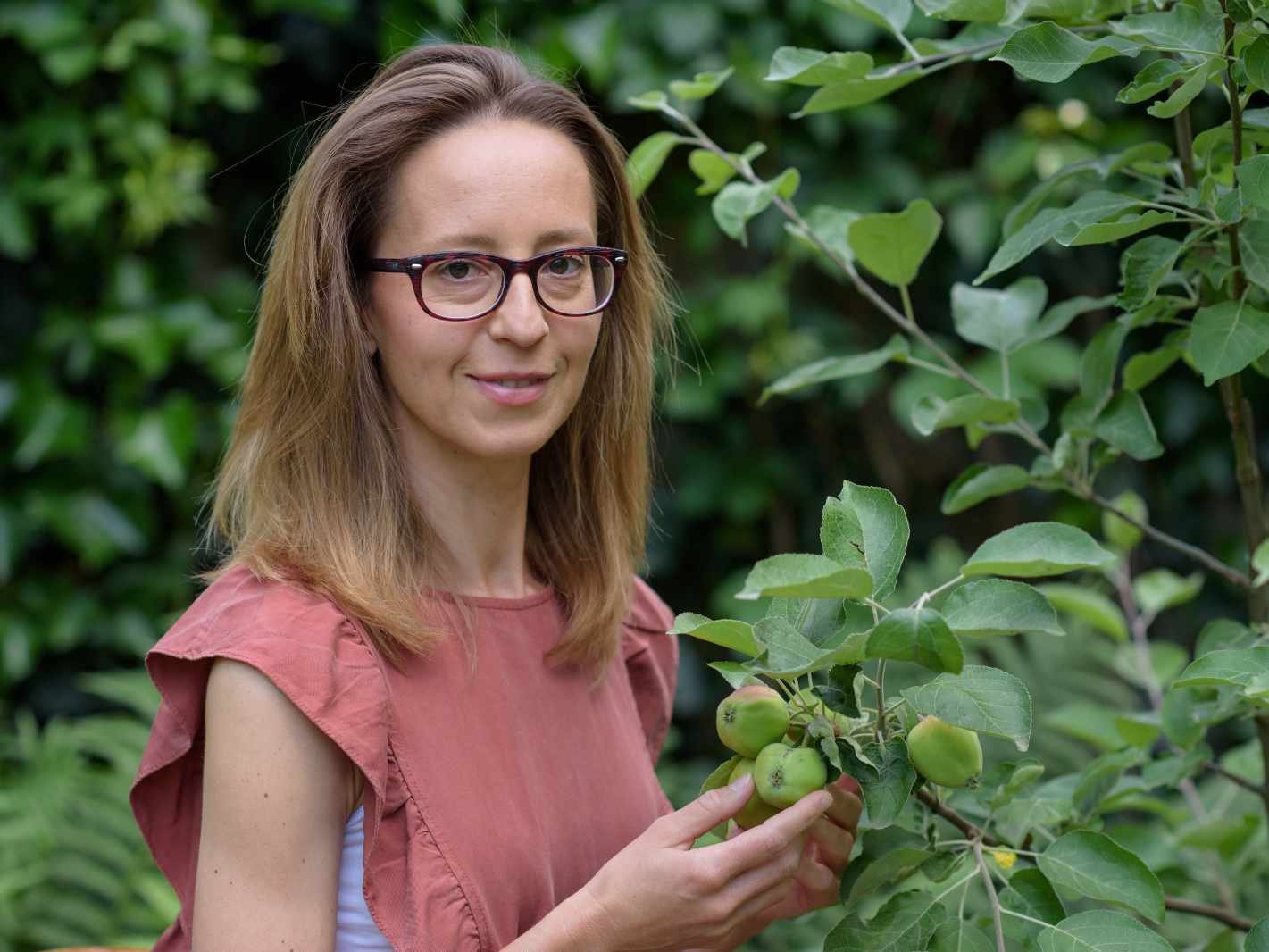
MAJA PRIJATELJ VIDEMŠEK / Slovenia / Freelance journalist
Panelists
Matea Benedetti is a Slovenian fashion designer, professor, and founder of Benedetti Life, a sustainable luxury fashion brand. In 2014, Sara Sozzani Maino of Vogue Italia selected Benedetti Life among the world’s 20 most promising sustainable fashion brands, acknowledging its pioneering approach to sustainable luxury. A frequent speaker at international conferences and institutions, she has presented on sustainability, innovation, and fashion at COP28 in Dubai, the Vatican, and Brussels. Bentley Motors featured Benedetti Life among its “Extraordinary Brands” in its centennial publication. Working between Ljubljana and Milan, she continues to advance sustainable luxury through innovative design and responsible fashion practices.
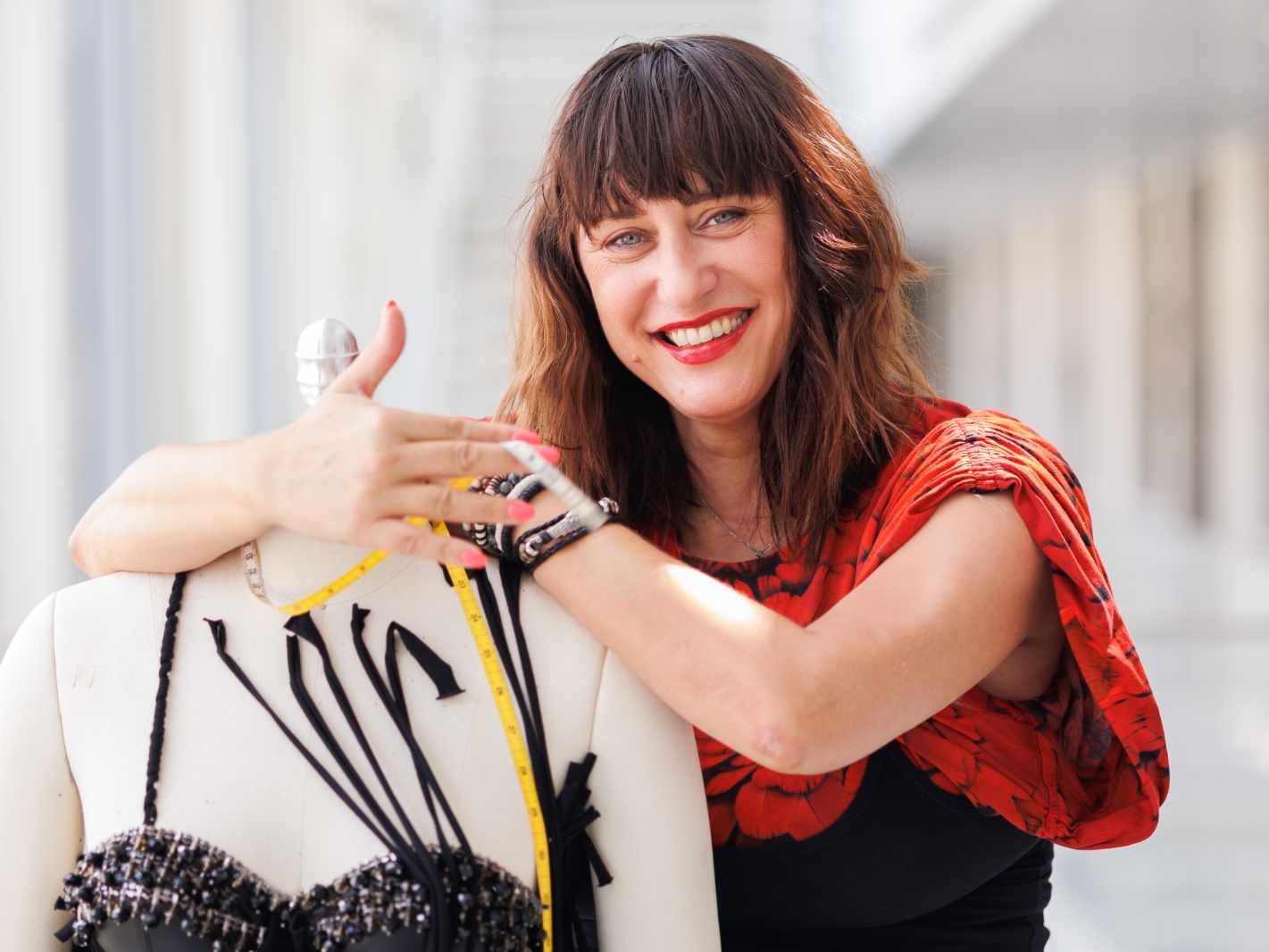
MATEA BENEDETTI /Slovenia / Designer
Achenyo Idachaba-Obaro is the Founder/CEO of MitiMeth, an award-winning materials and artisan studio transforming invasive weeds and agricultural residues into material innovations and design-led products. She has spent over 14 years working with water hyacinth, banana fibre, coconut shells, bamboo and food waste across interiors, fashion, and art. MitiMeth’s work has been showcased globally, including Woven Threads at Lagos Fashion Week and the London Future Fabrics Expo. A Vital Voices GAP Fellow, MIT Foundry Fellow, and Cartier Women’s Initiative Fellow, her TED Talk has over 1.9 million views. MitiMeth has featured in global media and academic case studies.

ACHENYO IDACHABA-OBARO / Nigeria / Founder/CEO of MitiMeth
Zack Denfeld is an American artist who lives in Amsterdam. Since 2010 he has co-directed Genomic Gastronomy, CoClimate, and the Office of Life + Art with the Norwegian artist Cathrine Kramer. They create artworks, exhibitions & events about food systems, emerging technologies, and the life sciences. Their current research is on taste, place and change, and agricultural biodiversity. In 2007 Zack co-founded the Center for Experimental Media Art at the Srishti Institute of Art Design and Technology (Bengaluru, India), and in 2010 he helped launch the MFA in Collaborative Design (Portland, OR). His work has been reviewed in Science, Nature, and Gastronomica, and has been exhibited at the World Health Organization, Kew Gardens, V2_, MU, V&A Museum, Science Gallery, MIT Museum, and others. Zack holds degrees from Syracuse University and the University of Michigan.
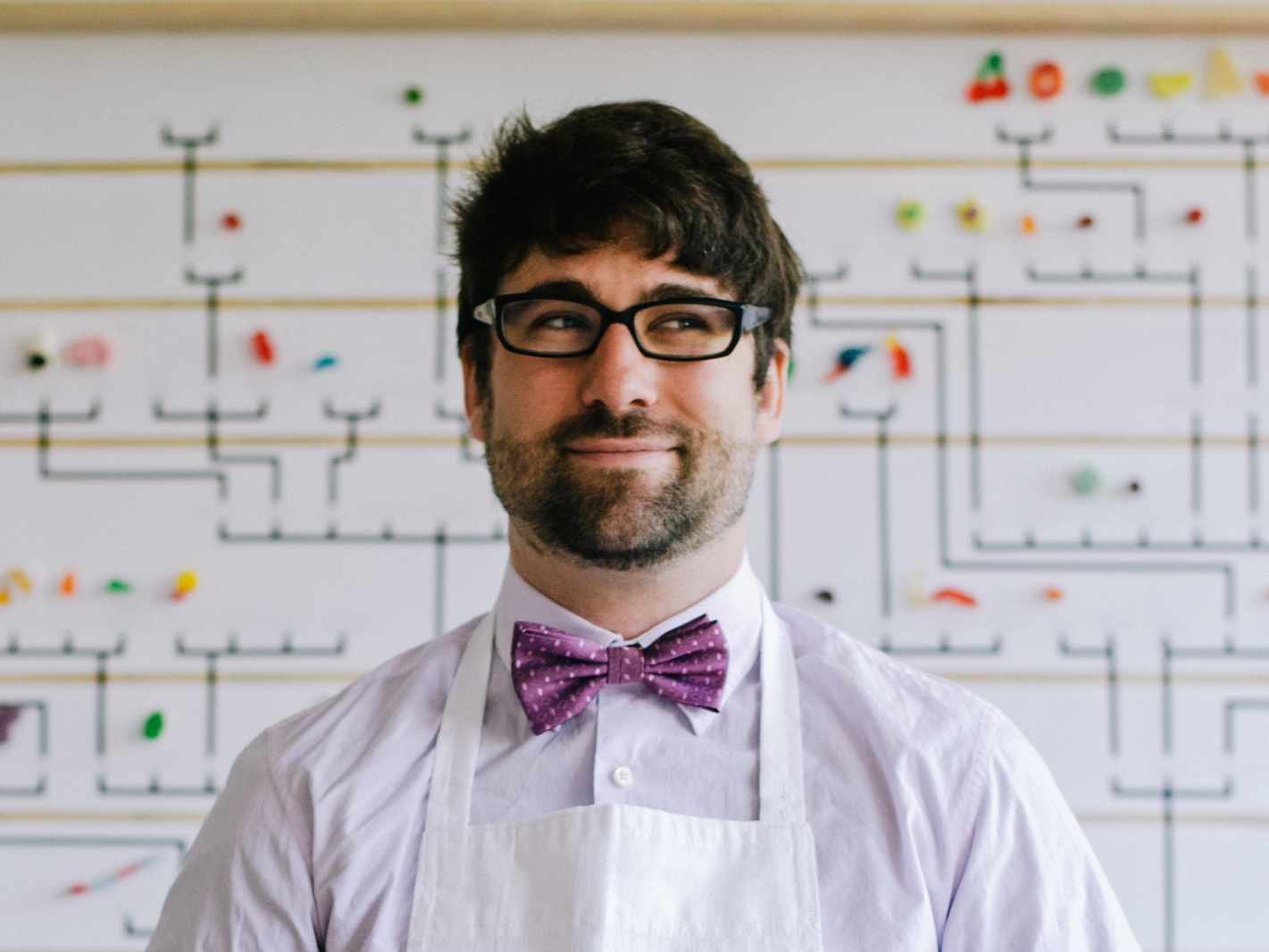
ZACK DENFELD / Netherlands, USA / Co-founder of Genomic Gastronomy
Daša Ličen is a research associate at the Institute of Slovenian Ethnology at the Scientific Research Centre of the Slovenian Academy of Sciences and Arts (ZRC SAZU), a lecturer at the ZRC SAZU Postgraduate School, and a habilitated assistant professor at the University of Maribor. She holds a PhD in Ethnology, Cultural and Social Anthropology from the Faculty of Arts at the University of Ljubljana. Her research lies at the intersection of ethnology and history, with a particular interest in changes in everyday practices during the final decades of the Habsburg Monarchy. In recent years, her work has focused primarily on human–animal relations as they developed in the 19th century and the ways in which their legacy remains strongly present today.
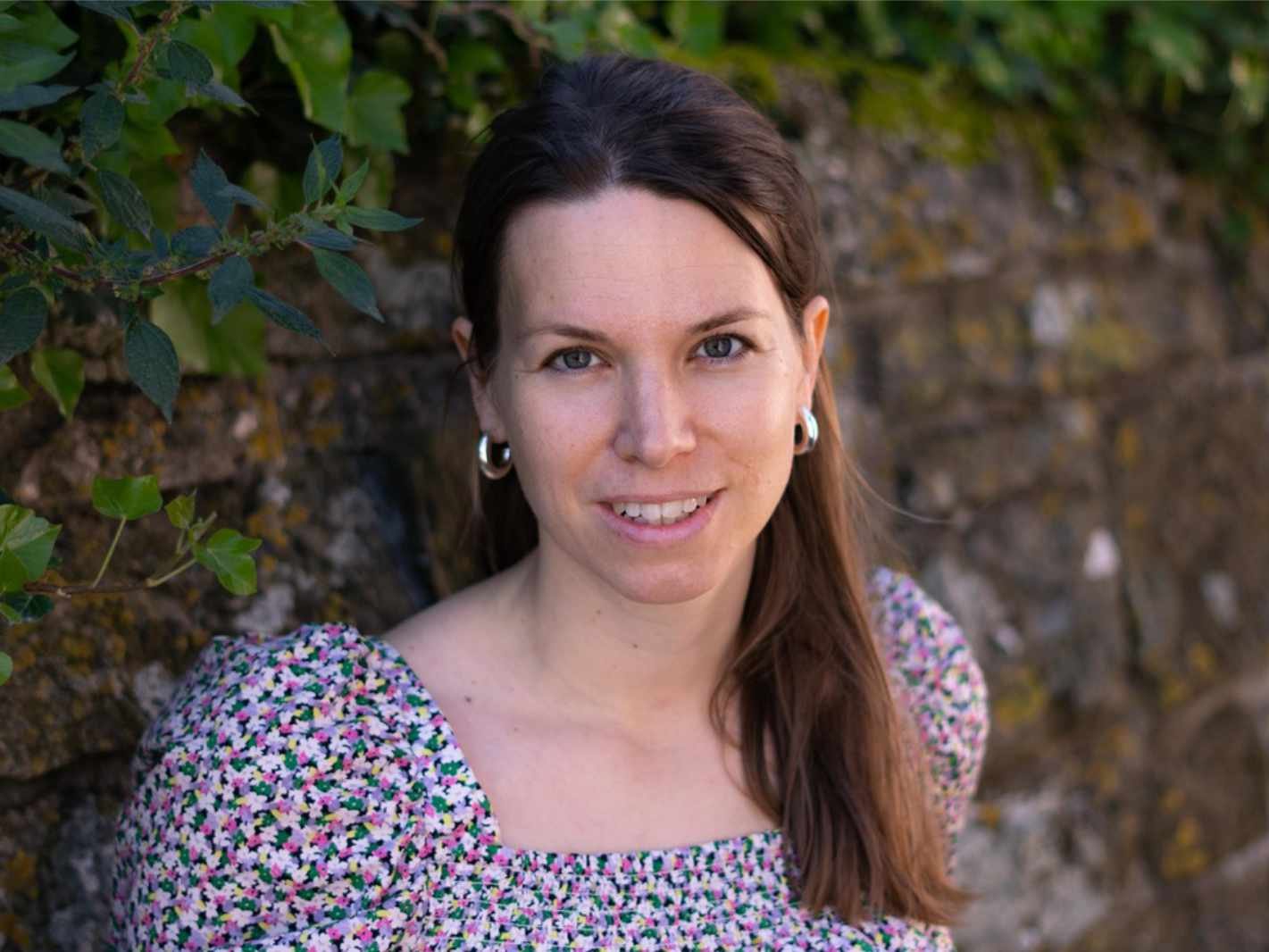
DAŠA LIČEN / Slovenija /Research Associate at ZRC SAZU the Slovenian Academy of Sciences and Arts
Registration
To make the Forum accessible to diverse communities, participation is free of charge. However, to avoid food waste resulting from registered participants not showing up, we charge a modest fee for lunch. This helps us plan catering more accurately and ensures that food is not prepared unnecessarily.
Register for Rog forum without lunch | 26 and 27 November
Register for Rog forum with lunch | 26 November (9€)
Register for Rog forum with lunch | 27 November (9€)
Register for Rog forum with both lunches | 26 and 27 November (18€)
Hands-on activity: Community Portrait
As part of the conference’s accompanying programme, an open creative station will be available for children, families and visitors of all generations. Participants will draw their self-portraits on bisque-fired ceramic tiles using special ceramic pencils and underglaze colours. Through drawing and colouring, they will create personal ceramic portraits and explore ceramics as a medium for self-expression and collective storytelling. After the workshop, the tiles will be glazed and fired again before becoming part of a community portrait wall in the Park Izbrisanih. The workshop follows a drop-in format, allowing visitors to join at any time during the programme.
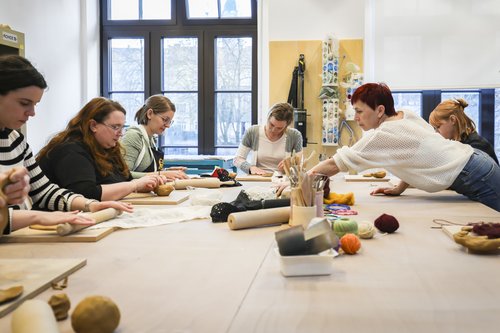
Children’s Activity: Material Playground
In Center Rog’s production labs, remnants of wood, textiles, paper, clay and other materials are generated that are far from being waste. In the Material Playground, they become starting points for play that sparks imagination, exploration and creativity. The playroom will be open to children of Rog Forum participants.
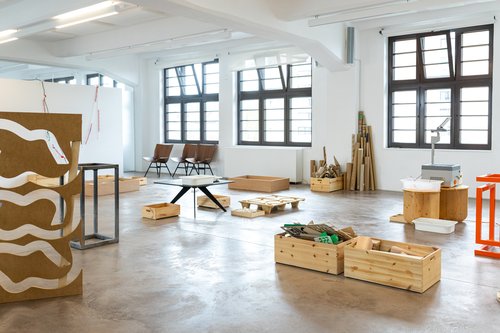
POP-UP MARKET: Makers Market
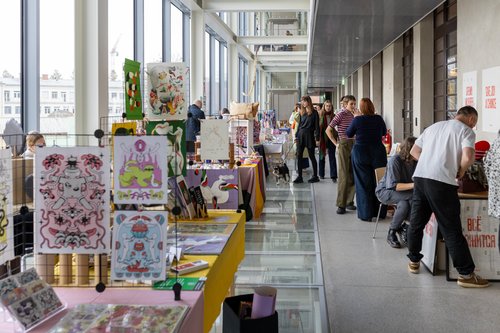
MAKERS MARKET is more than just a shopping event – it’s a celebration of creativity and design, and an opportunity to meet local makers in person and discover the stories behind their products. Whether you’re looking for cool, locally made and sustainable products and gifts, or want to treat yourself to unique fashion and ceramic finds, our pop-up market is the place to be.